
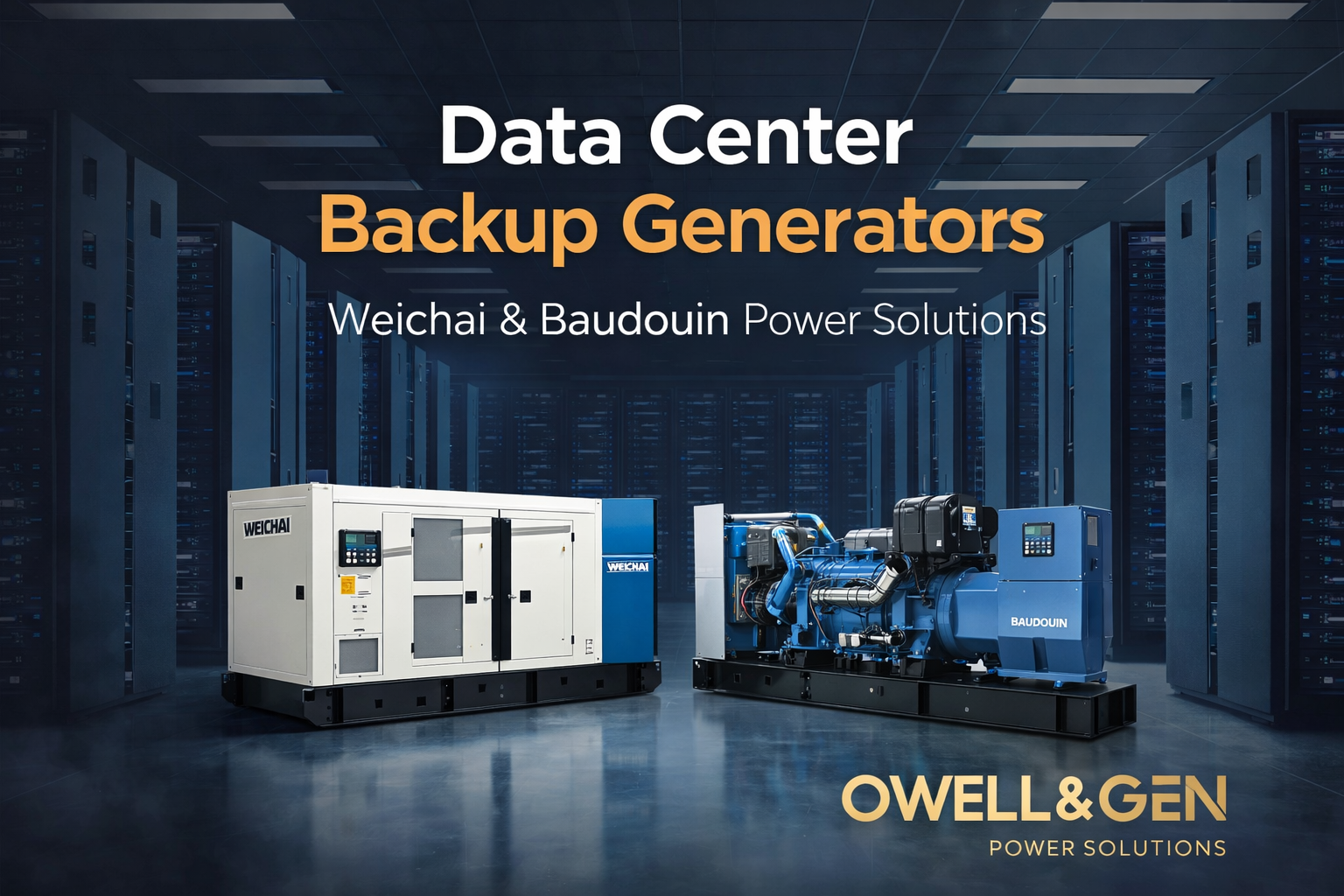
AI computing and hyperscale digital infrastructure are driving a new wave of data center construction worldwide. As computing density and energy demand continue to increase, stable electricity supply has become a critical operational resource, making data center backup power essential for reliable facility operation.
In most facilities, standby generation is engineered as an integrated system—covering generator sets, controls, switchgear/ATS, fuel supply, cooling, and monitoring. Within this architecture, the data center diesel generator serves as the core standby power source designed to ensure continuity during grid interruptions.
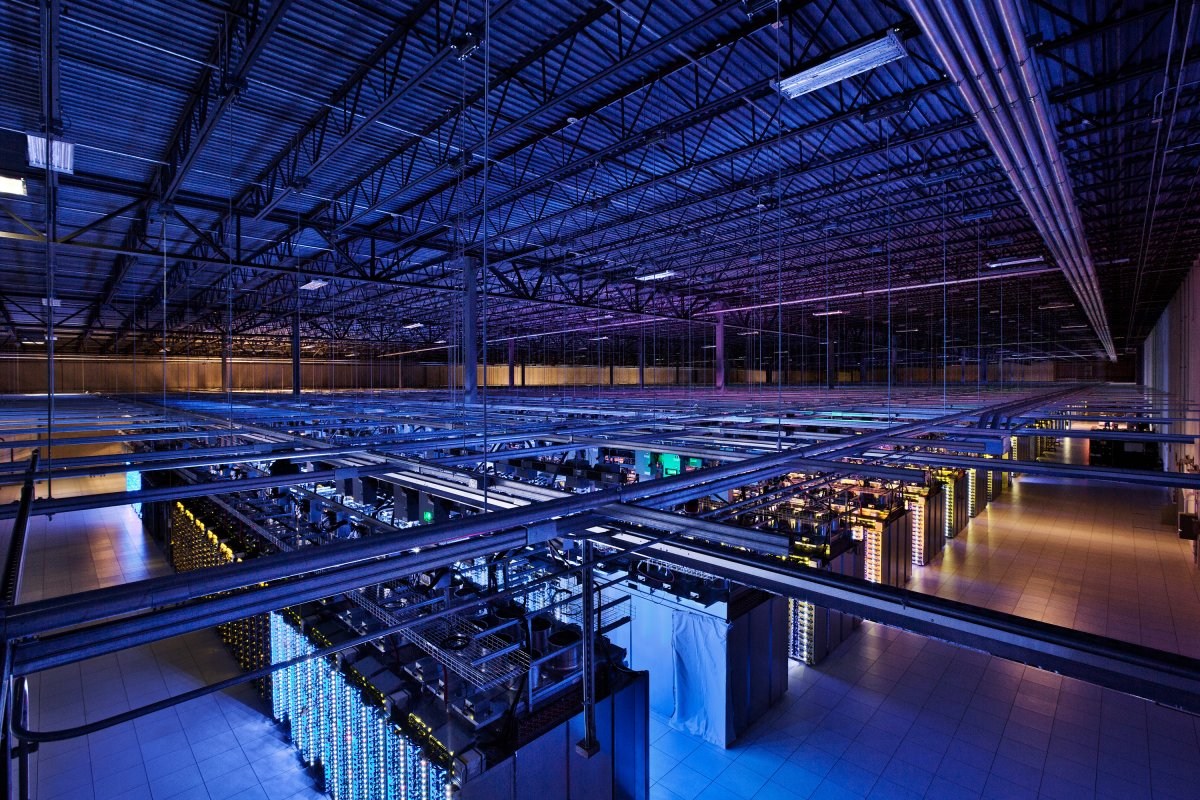
What data centers typically require from standby generation
Across colocation and large-scale builds, requirements commonly converge on:
- Start and load-pickup behavior aligned with UPS ride-through and transfer sequence
- Stable operation under transient load steps
- Redundancy and maintainability under N / N+1 / 2N strategies
- Reliable synchronization, load sharing, and protection coordination in multi-unit operation
As capacity scales, modular deployment becomes standard. That makes a parallel generator system for data center a baseline technical requirement, not an optional feature—because resilience is achieved through coordinated operation across multiple machines and power paths.
Weichai & Baudouin platforms positioned for data center standby duty
Our offering focuses on Weichai Baudouin generator set solutions designed for data center standby applications, centered on proven large-engine platforms suited to multi-MW generator rooms.
This approach is relevant for projects ranging from a typical standby generator for data center block design to a diesel generator for hyperscale data center architecture where unit count, interfaces, and scalability are key engineering considerations.

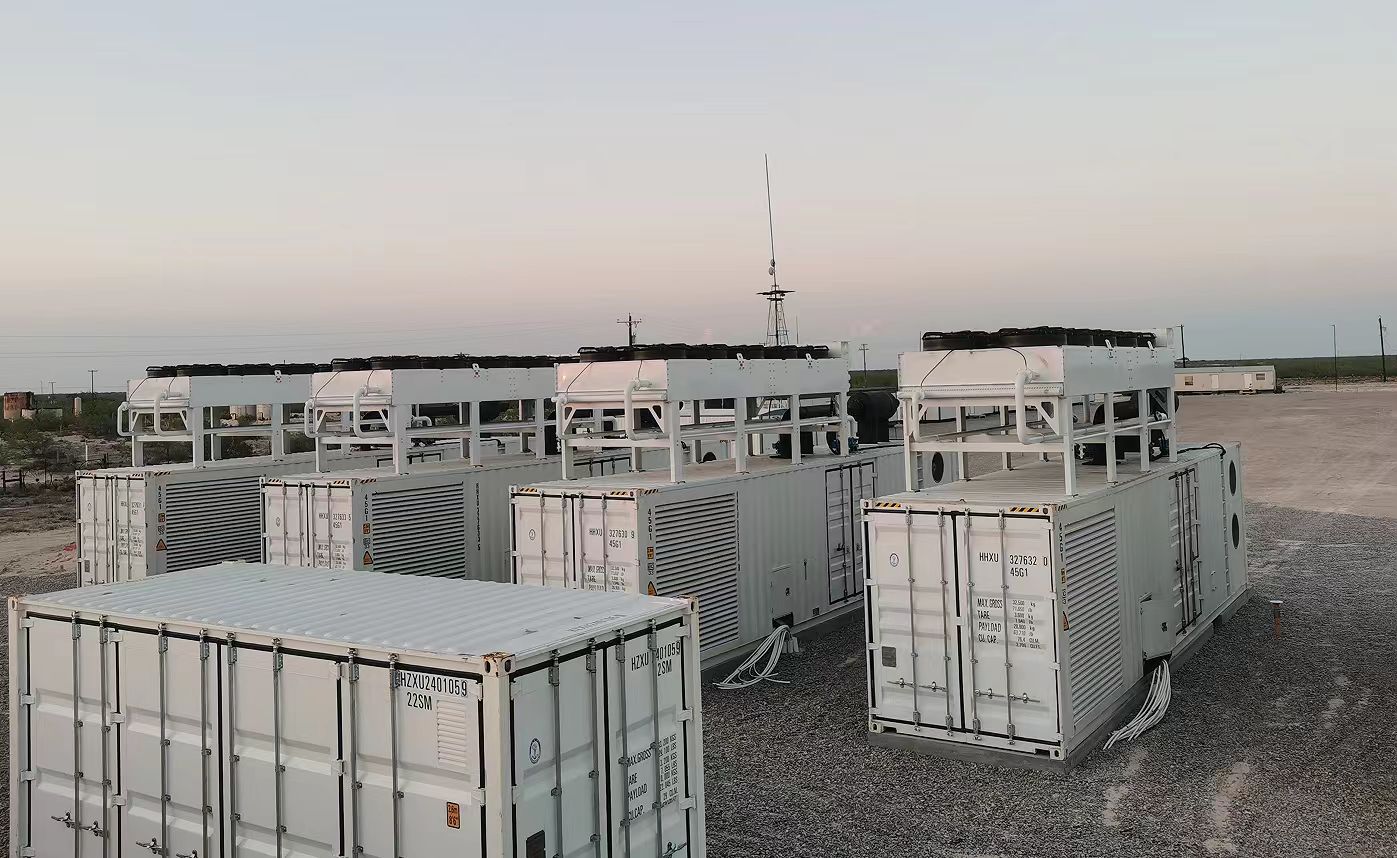
How we support project engineering and procurement
We position the solution around defined scope boundaries and engineering inputs:
- one-line diagram and redundancy target
- load profile and step-load characteristics (IT + mechanical auxiliaries)
- preferred unit block size and paralleling philosophy
- site conditions (ambient/altitude), space, noise, and heat-rejection constraints
- integration requirements for controls, monitoring, and switchgear
With these inputs, we can recommend a technically grounded configuration for mission-critical facilities backup power—keeping the proposal auditable, engineering-first, and aligned to how data centers are actually designed and commissioned.
Join Our Community, Subscribe for Updates!