
Recent tensions in the Middle East have pushed oil markets back into focus. The immediate headline is usually the crude price, but that is only part of the story. What matters just as much is how quickly that pressure moves into the wider fuel chain. Recent reporting shows exactly that pattern: crude prices have risen sharply, shipping risk around the Strait of Hormuz remains a central concern, and refined-product markets in Asia have already started to reprice.
Crude Oil Matters Because of What It Becomes
Crude oil is not a final-use product. It is a feedstock.
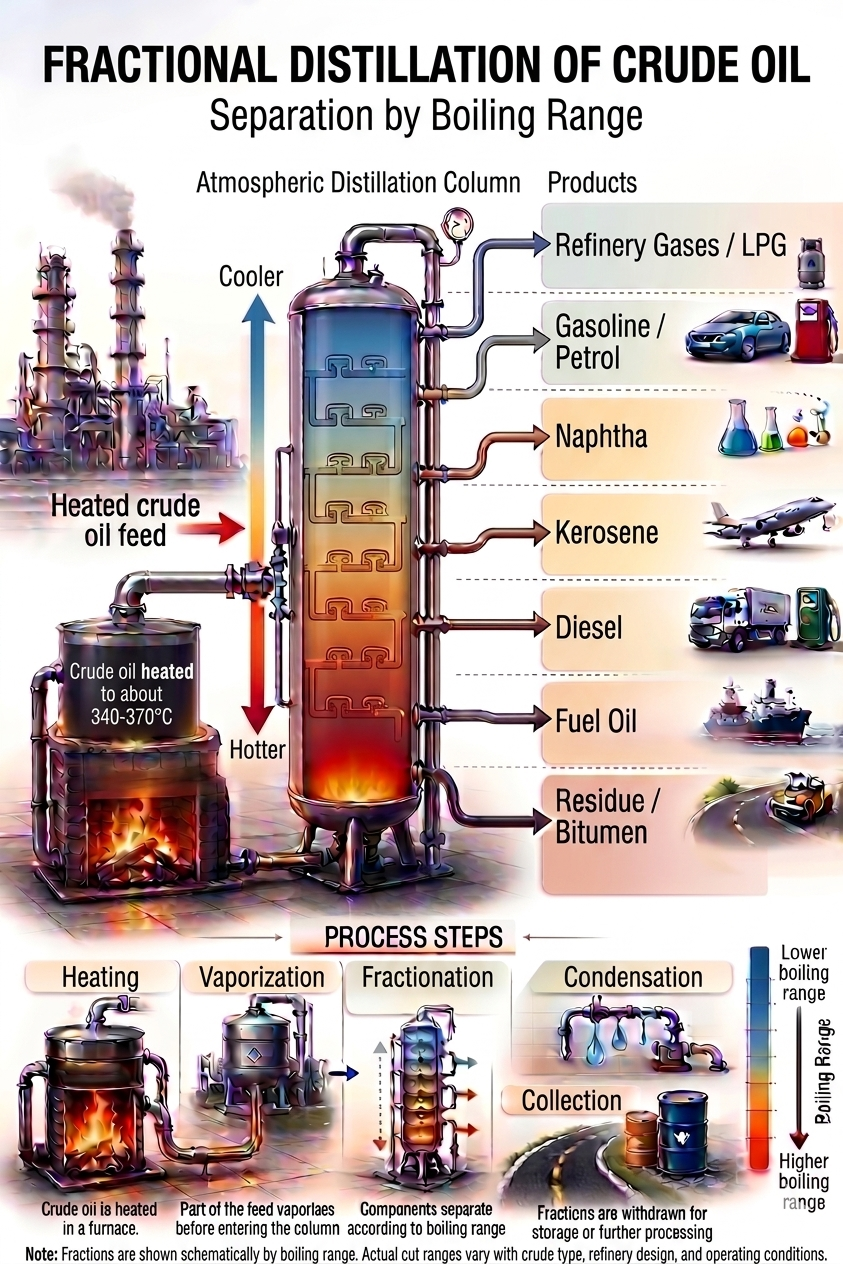
Once it enters a refinery, it is separated into multiple streams such as LPG, gasoline, naphtha, kerosene, diesel, fuel oil and heavier residual products. That is why a shock in crude rarely stays upstream. One barrel sits behind several fuels, and each of those fuels serves a different part of the economy.
This is the basic reason oil price volatility spreads so widely. A move in crude is not just a move in one commodity. It is a cost signal that can work its way through transport fuels, industrial energy inputs and downstream fuel markets.
Why the Impact Spreads So Quickly
The transmission is straightforward. Higher crude prices raise feedstock costs for refiners. From there, product prices begin to adjust as markets respond to tighter margins, shifting supply balances and changing freight economics.
When shipping risk rises at the same time, the adjustment becomes faster. That is why geopolitical tension can move through fuel markets so quickly. The first signal may appear in crude benchmarks, but the practical impact is often felt through refined products.
Recent market moves underline that point. Reuters has reported stronger gasoline margins in Asia and product-flow adjustments as buyers respond to tighter regional conditions and greater supply uncertainty.
Why Downstream Fuels Matter More Than the Headline Price
Most businesses do not buy crude oil directly. They buy diesel, fuel oil or other energy inputs exposed to the same upstream pressure.
That distinction matters. Gasoline is the most visible fuel in public discussion, but diesel often matters more to freight, construction, industrial equipment and backup power applications. Fuel oil remains relevant in shipping and some industrial uses. In practice, the real issue for many operators is not the crude benchmark itself, but how quickly fuel costs move downstream into day-to-day operations.
This is where oil market volatility becomes more than a headline. It turns into a budgeting issue, a procurement issue and, in some cases, an operating-risk issue.
What Recent Market Moves Are Showing
Current market behavior offers a clear example of this broader transmission. Reuters has reported that Asian gasoline margins climbed close to highs last seen in 2022, while cargoes from Europe and the United States were redirected toward Asia as regional supply pressure increased. China has also moved to limit domestic retail fuel price increases in response to rising international oil prices.
These are different responses to the same underlying problem. Once crude prices rise alongside transport and supply risk, the downstream market begins to reprice quickly.
Why Fractionation Still Helps Explain the Market
The value of understanding crude oil fractionation is not in memorizing refinery process steps. Its value lies in making market transmission easier to read.
Once crude is understood as the starting point of multiple downstream fuels, price moves become easier to interpret. A spike in crude is no longer just an upstream event. It becomes an early signal that gasoline, diesel, fuel oil and other fuel-linked costs may also be moving.
That is why fractionation still matters as a market lens. It explains why upstream disruption rarely stays upstream, and why geopolitical risk can reach much further than the barrel itself.
Join Our Community, Subscribe for Updates!