
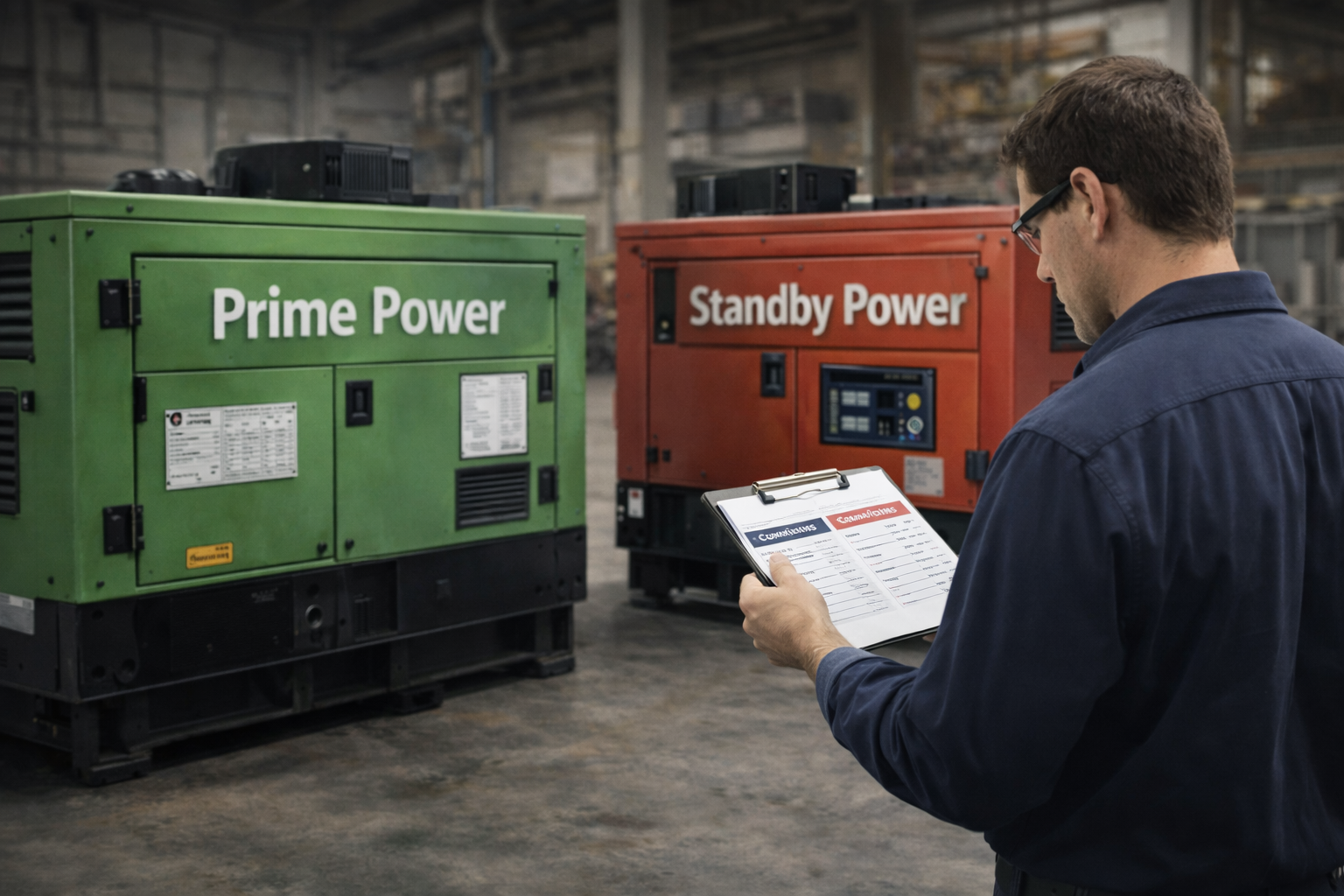
A generator is marked 300kW, so many buyers naturally assume it can reliably support a 300kW application.
But in real projects, that is not always the case.
Some generators struggle under loads that seem well within their rated capacity. Some run for a short time but become unstable during continuous operation. In many cases, the problem is not the brand of engine or alternator. The real issue is a misunderstanding of generator ratings.
The most common confusion is this: prime power vs standby power.
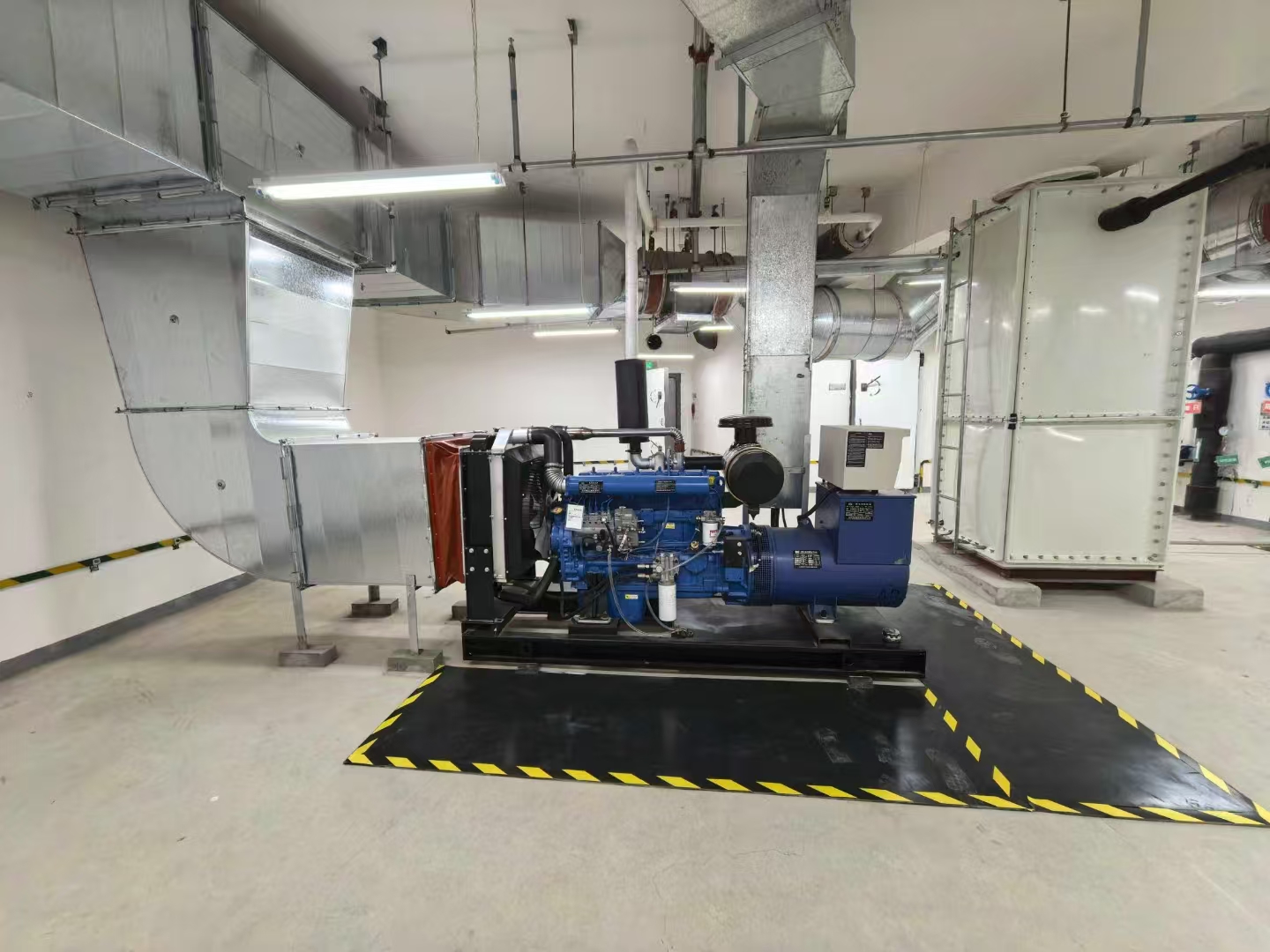
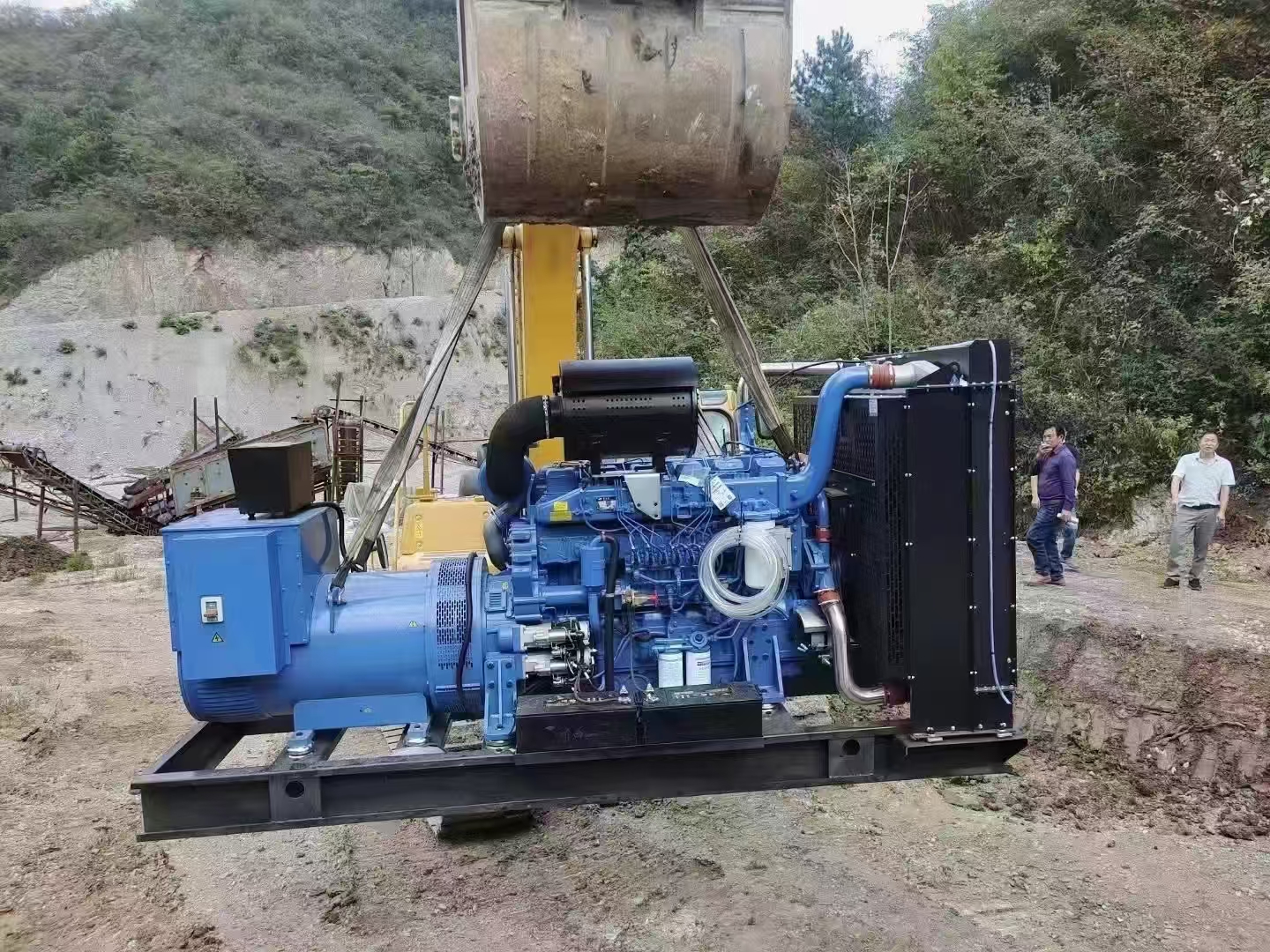
The Difference That Buyers Often Miss
A generator set may have both a prime power rating and a standby power rating.
Prime power is the rating used when the generator serves as the main source of electricity. It is intended for regular operation under variable load conditions and is the key value to focus on for continuous-use applications.
Standby power, by contrast, is intended for emergency backup during utility power failure. It is not the right basis for sizing a generator that will run as a daily power source.
This is where mistakes begin.
Because the standby power rating is usually higher, it can make the generator look more powerful on paper. If a buyer sees only the larger number, the machine may appear suitable for the project when, in fact, its real continuous-use capacity is lower.
Why This Causes Trouble in Real Use
A generator selected on the wrong rating may still run, but that does not mean it is correctly matched to the job.
When standby power is treated as prime power, the operating margin becomes too small. Once the site involves long running hours, fluctuating demand, or motor starting loads, the generator may begin to show problems such as:
- unstable voltage
- frequency drop under load
- weak load acceptance
- higher fuel consumption
- faster engine wear
- increased maintenance cost
So when a user says the generator “cannot carry the load,” the issue is often not instant failure. More often, it means the unit cannot support the real working condition in a stable and sustainable way.
Do Not Judge a Generator by the Biggest Number
This is why buyers should never look only at the largest figure on the nameplate or quotation.
A higher number does not automatically mean a better match for the application.
Before making a decision, it is important to confirm:
- whether the rating is prime power or standby power
- whether the figure is shown in kW or kVA
- whether the generator will be used for backup only or continuous operation
These basic points can make a major difference in real performance, operating cost, and service life.
Generator Selection Starts with the Right Rating
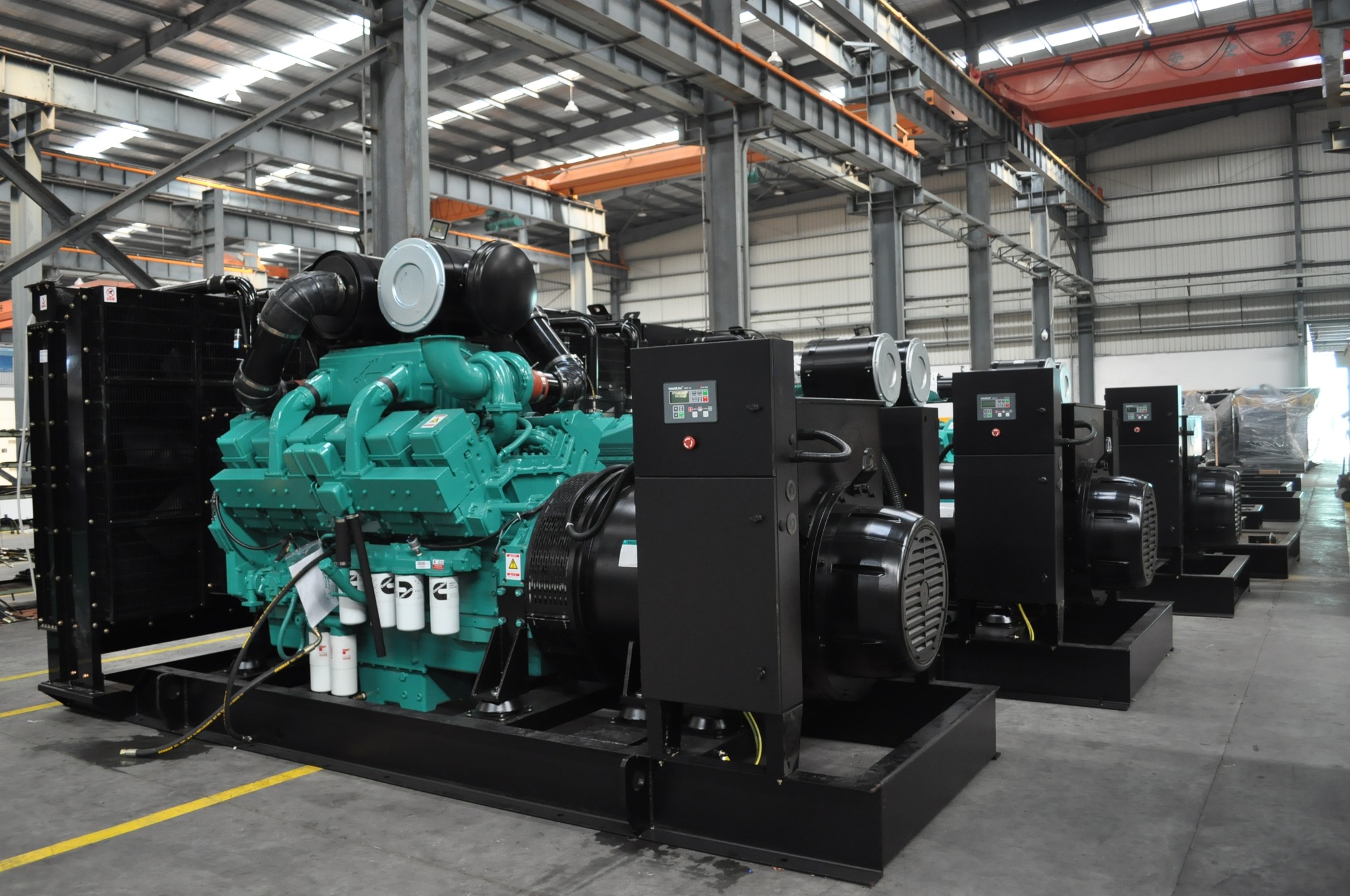
In generator selection, one of the most expensive mistakes is not buying a small unit. It is buying a unit based on the wrong rating.
A standby rating may look attractive in a quotation, but if the application requires continuous use, that number can create false confidence and costly problems later.
At OWELL Generators, rating definition and application matching are treated as essential parts of the selection process. The goal is not simply to quote a larger number, but to recommend a generator solution that fits the real load and operating condition.
Join Our Community, Subscribe for Updates!