
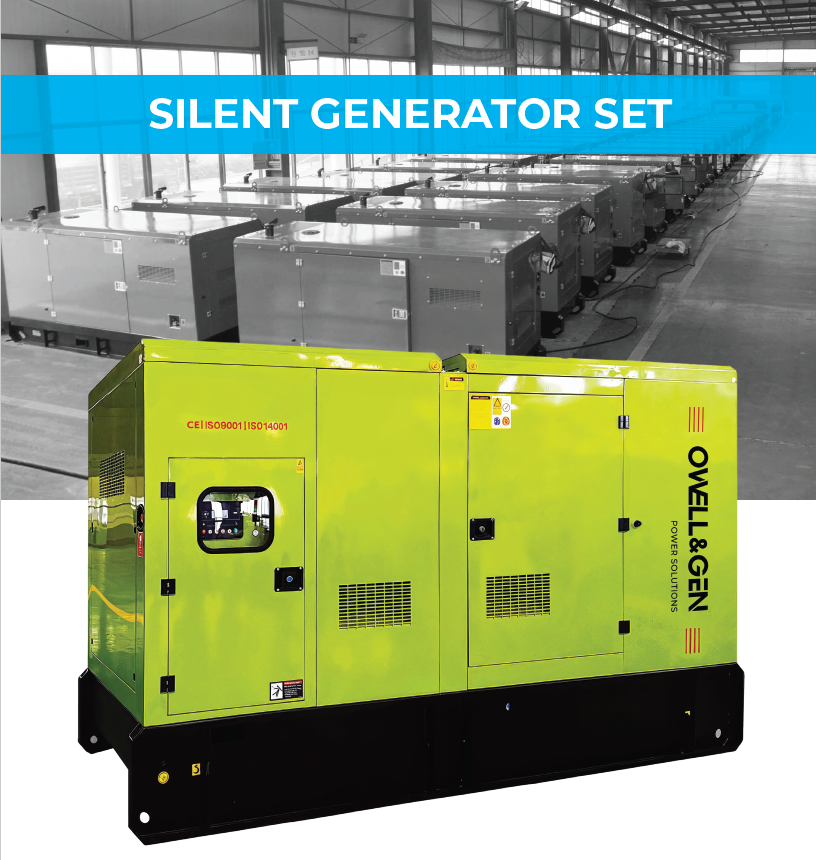
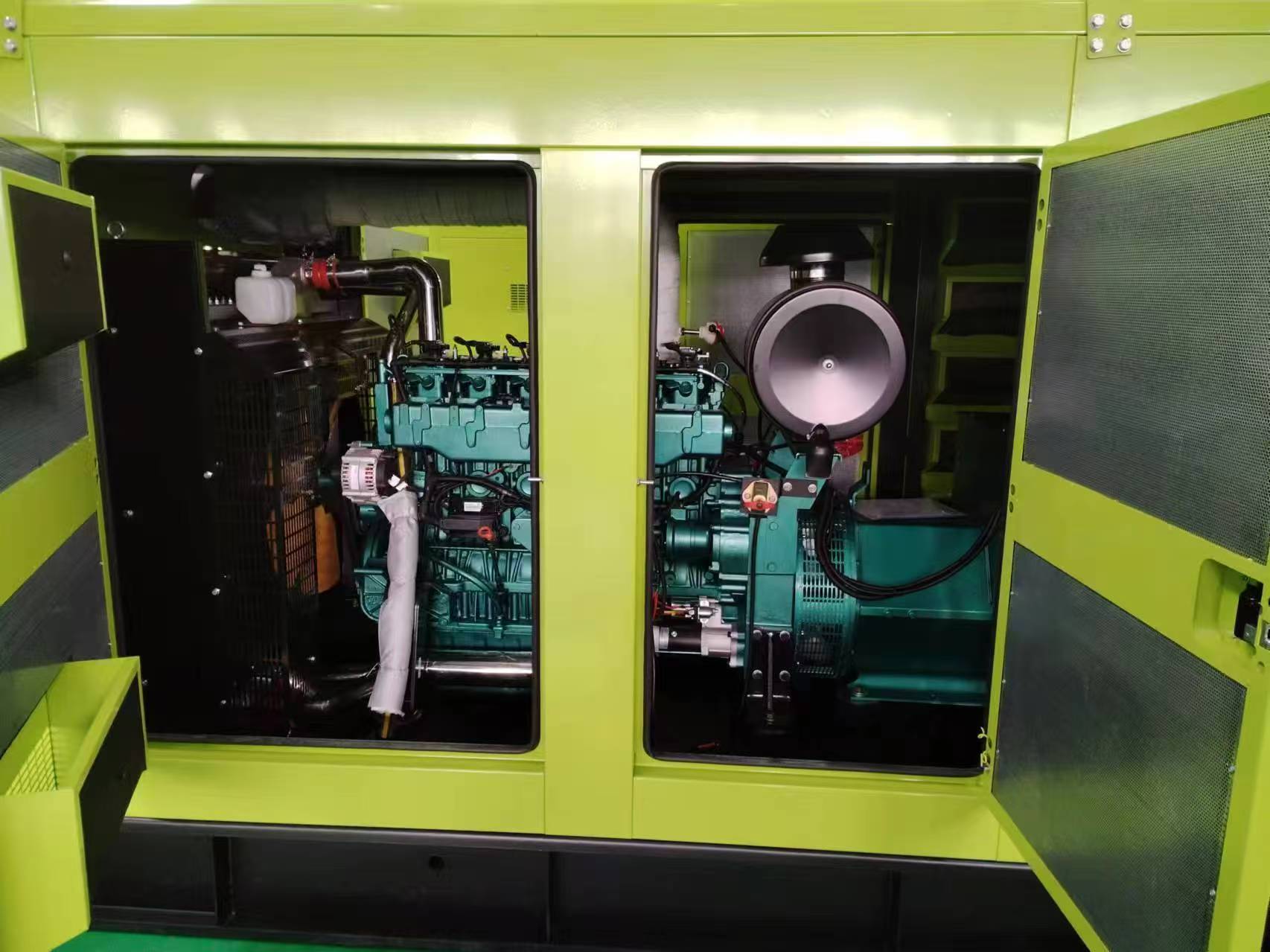
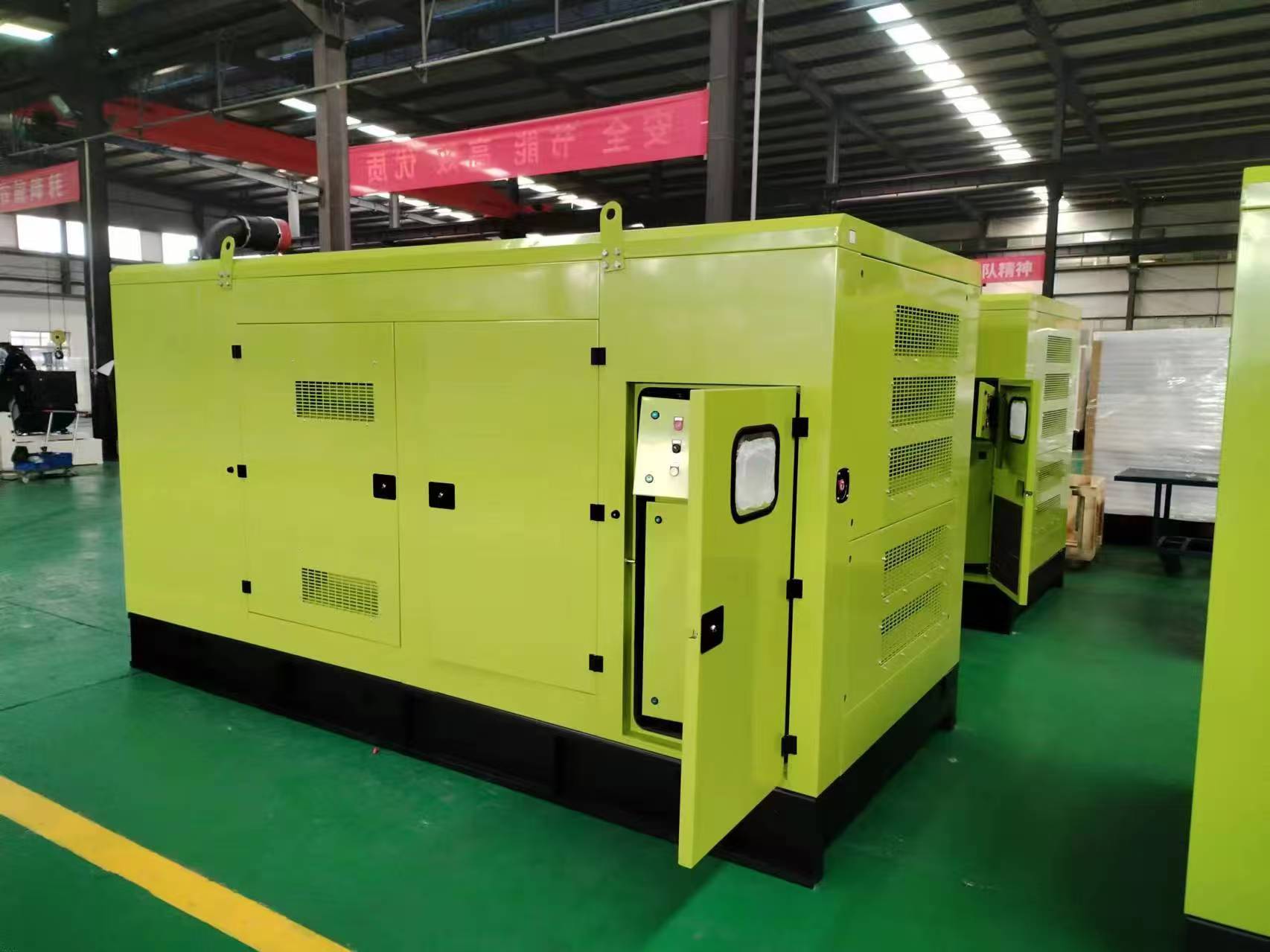
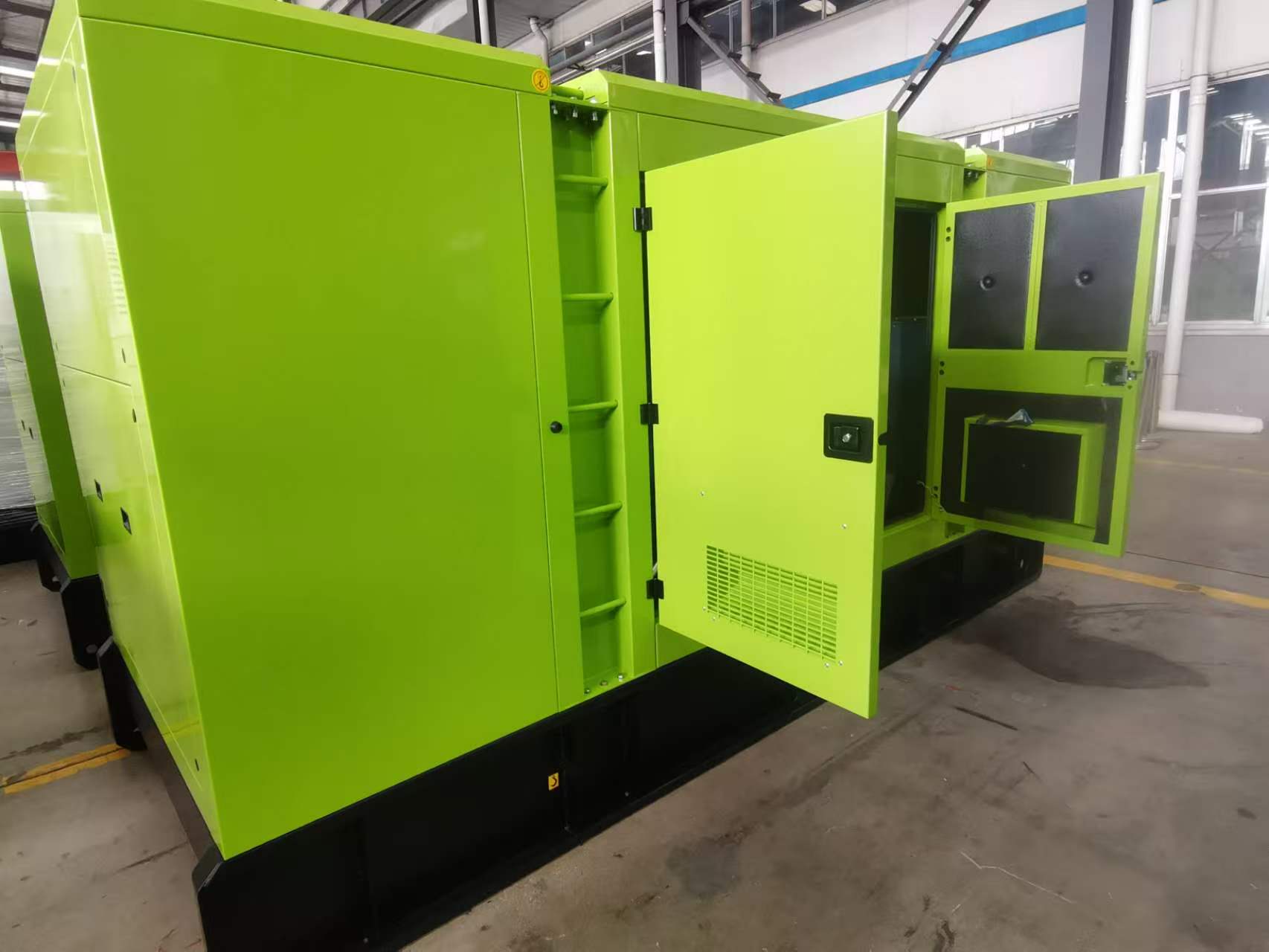
When a generator set is described as “silent”, what really makes the difference is not the label on the nameplate — it is what’s inside the enclosure.
For diesel generator sets, noise control is a matter of engineering, not decoration.
Among the many design choices, the type of acoustic insulation used inside the soundproof canopy plays a decisive role in how quiet, stable, and durable the generator will be in real operation.
In the generator industry, two insulation solutions are most commonly seen:
flat acoustic insulation and profiled acoustic foam.
They may look similar at first glance, but their performance — and purpose — are very different.
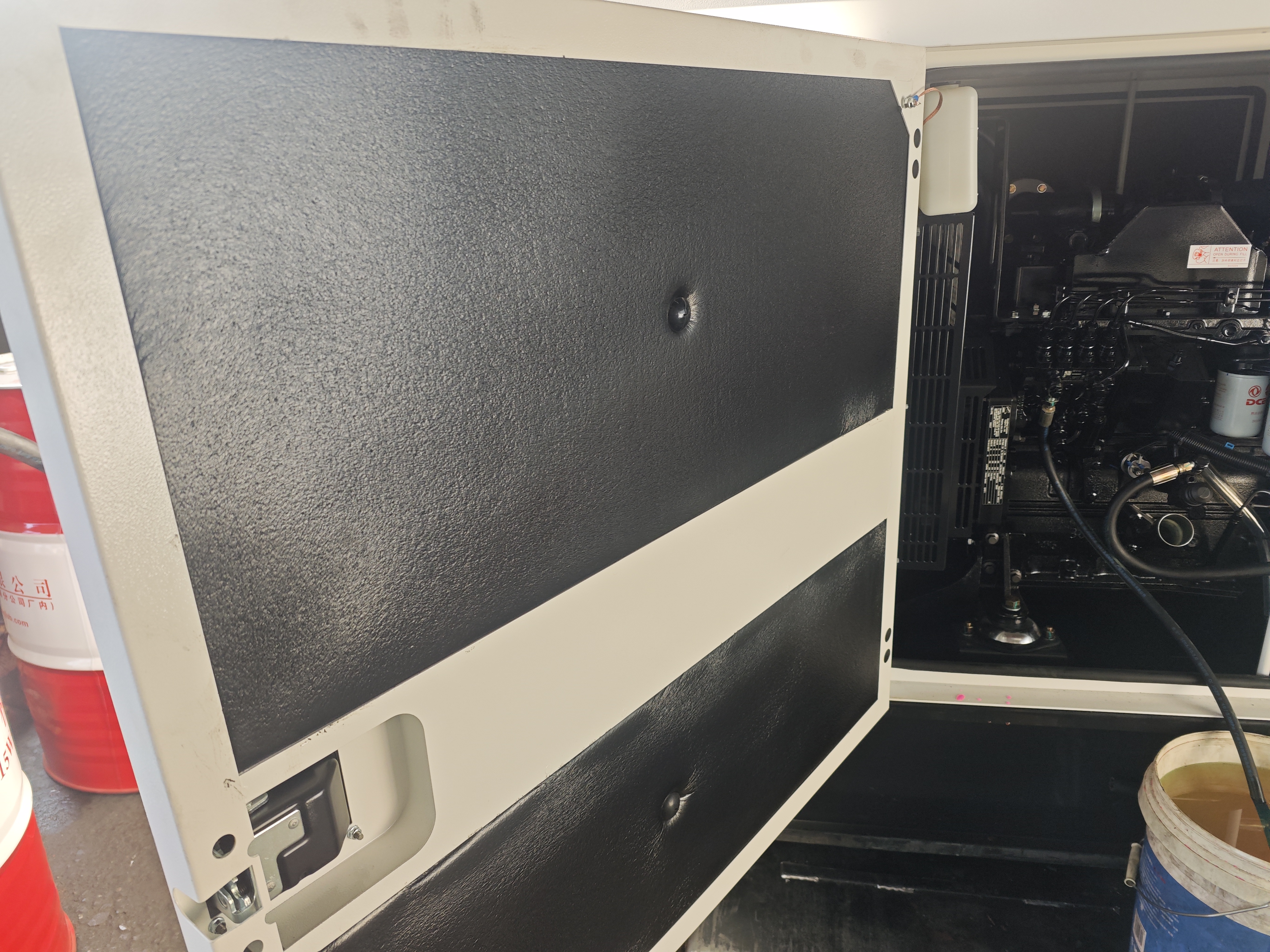
Flat Acoustic Insulation: Built for Real Noise Control
Flat acoustic insulation is the solution most often used in industrial-grade silent generator sets.
It is typically made from high-density mineral wool or glass wool, protected by a perforated metal sheet or fire-retardant surface layer.
What makes it effective is not its appearance, but how it works.
Diesel engines generate a large amount of low- and mid-frequency noise — from combustion, mechanical movement, and structural vibration.
Flat insulation absorbs these frequencies efficiently, reducing sound energy before it escapes the enclosure.
In practice, this means:
- Noticeably lower overall noise levels
- Stable acoustic performance during long, continuous operation
- Better resistance to heat, oil mist, and vibration
- A longer service life with minimal performance loss over time
For applications where generators run daily — or where noise compliance matters — this type of insulation is a proven, engineering-driven choice.
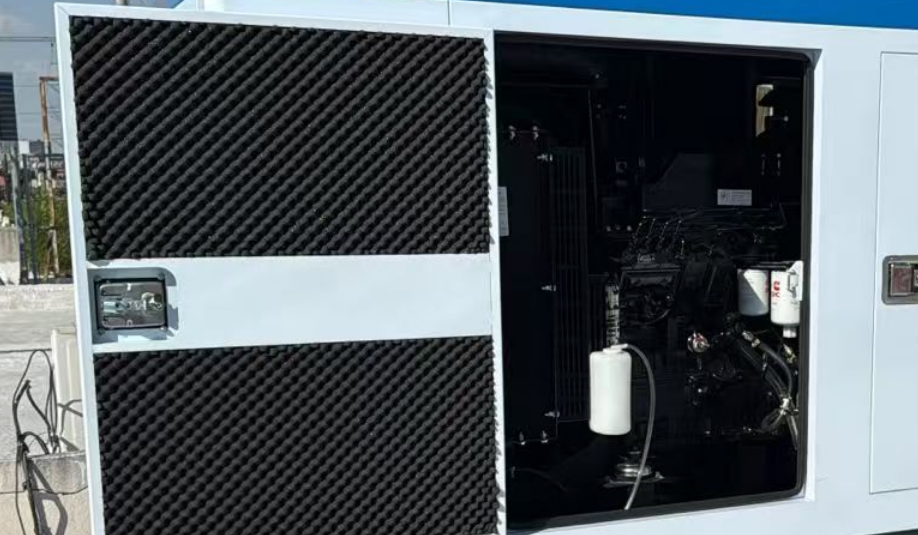
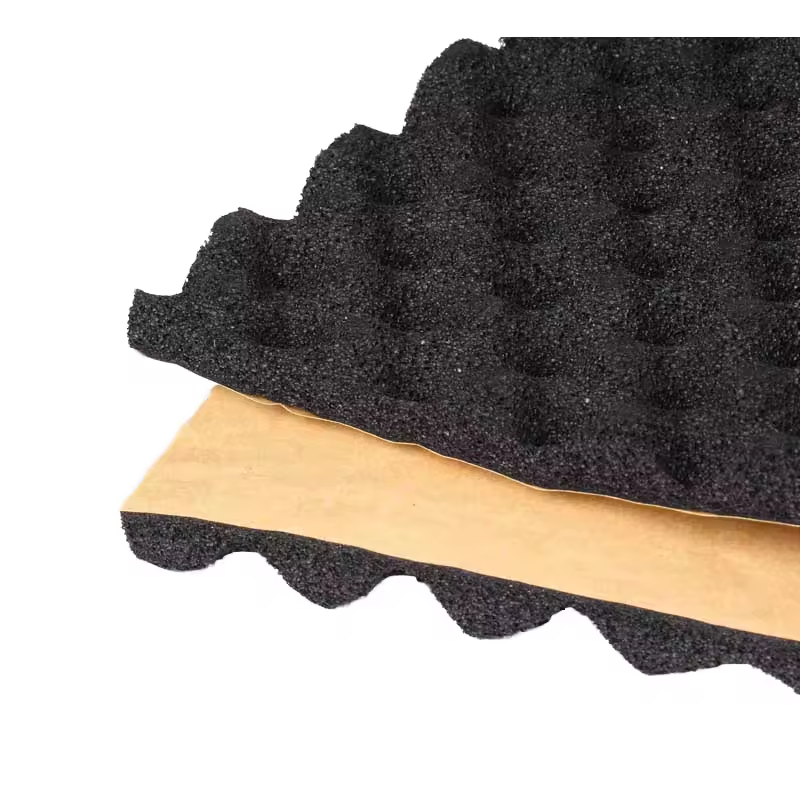
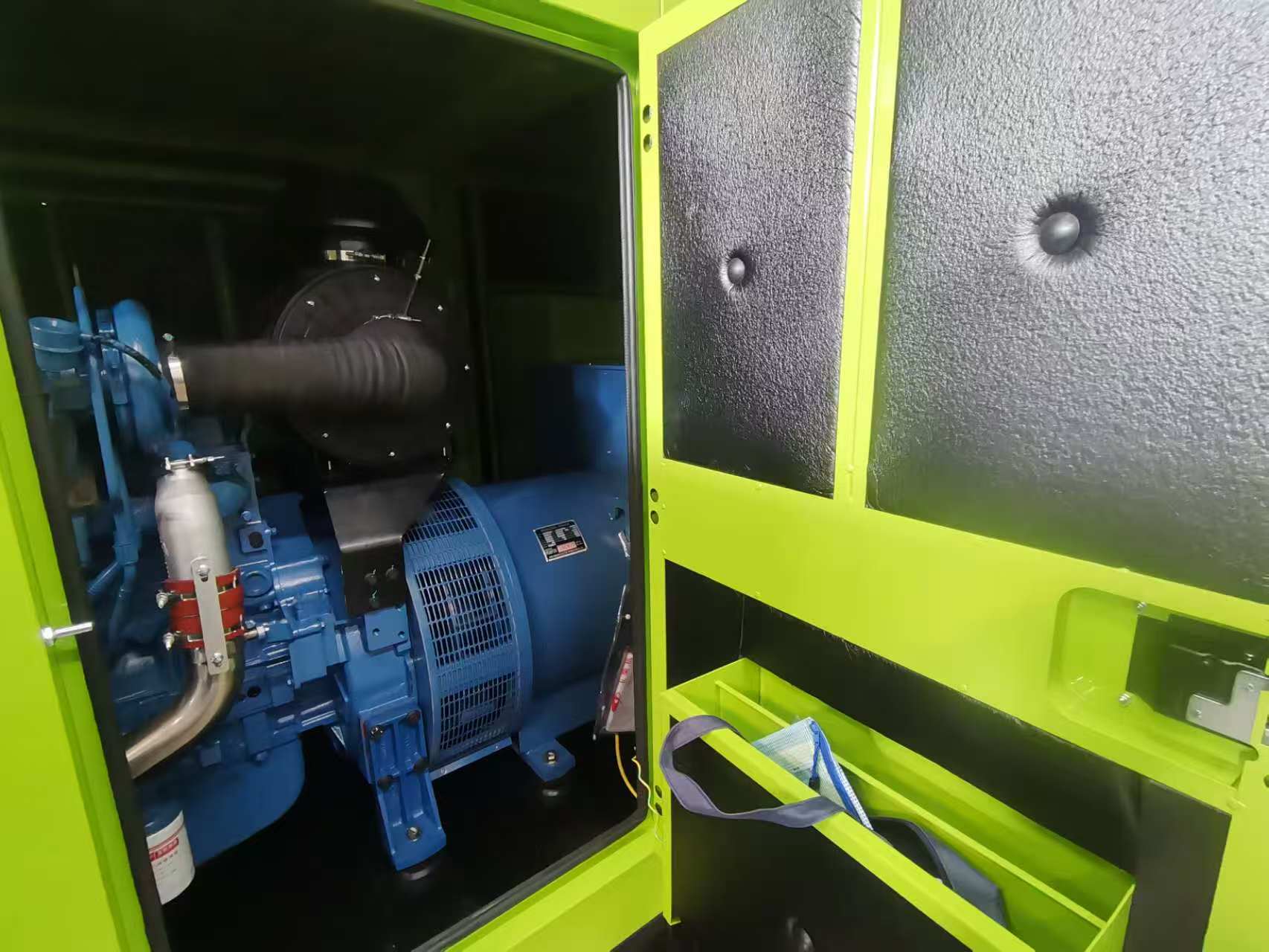
Profiled Acoustic Foam (Wave / Wedge Foam)
Profiled Acoustic Foam: Light, Simple, and Cost-Focused
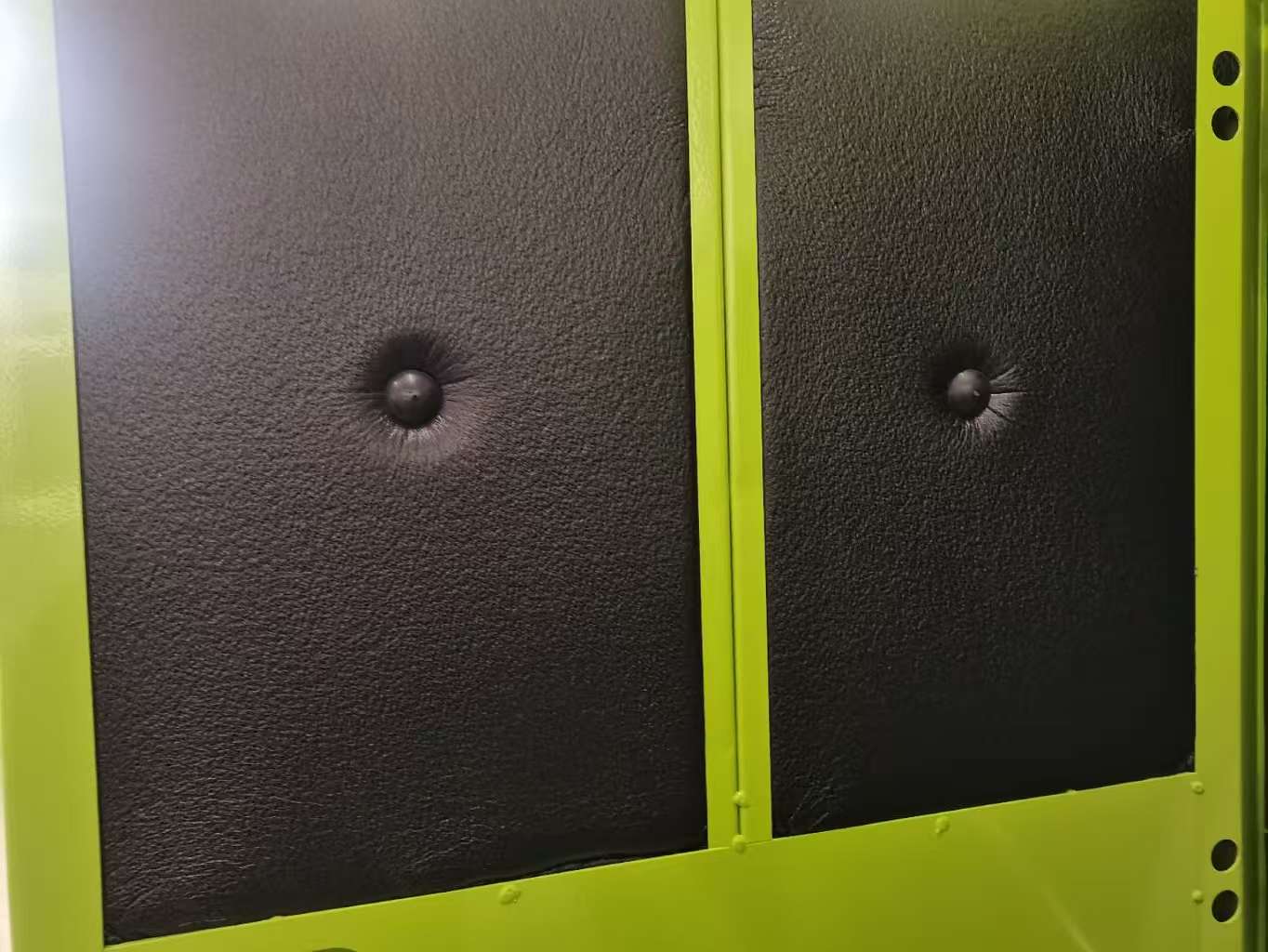
Profiled acoustic foam, often shaped in waves or wedges, is usually made from PU (polyurethane) foam.
It is widely used in entry-level or light-duty generator enclosures.
Its main advantage is simplicity:
- Low material cost
- Easy installation
- Visually “soundproof-looking” interiors
However, from a technical perspective, profiled foam mainly absorbs mid- to high-frequency noise.
It is far less effective against the low-frequency sound that dominates diesel generator operation.
In addition, prolonged exposure to heat and oil vapors can gradually reduce its acoustic performance.
For short-term or low-load use, this solution may be acceptable.
For demanding applications, its limitations become clear over time.
A Practical Comparison
| Aspect | Flat Acoustic Insulation | Profiled Acoustic Foam |
|---|---|---|
| Main absorption range | Low & mid frequencies | Mid & high frequencies |
| Diesel noise control | Strong and consistent | Limited |
| Continuous operation | Well suited | Not ideal |
| Heat & oil resistance | High | Moderate to low |
| Long-term durability | Excellent | Average |
| Typical use | Industrial & export generators | Cost-sensitive units |
Why Industrial Silent Generators Choose Flat Insulation
Generator noise is not just about loudness — it is about frequency, duration, and stability.
In industrial environments such as factories, data centers, hospitals, or infrastructure projects, generators are expected to:
- Run for long hours
- Maintain consistent noise levels
- Perform reliably in demanding conditions
Flat acoustic insulation addresses these requirements directly.
That is why it is the preferred solution for professional silent diesel generator sets, especially in international markets where expectations are high and performance is measured, not assumed.
OWELL Generators’ Design Philosophy
At OWELL Generators, soundproofing is treated as part of the power system — not as an afterthought.
For industrial silent generator sets, OWELL focuses on:
- Flat, high-density acoustic insulation for effective low- and mid-frequency noise control
- Materials selected for durability, safety, and long-term performance
- Practical noise reduction that delivers real results in daily operation
The goal is simple:
a generator that sounds as reliable as it is built.
Join Our Community, Subscribe for Updates!